
Understanding Safety Milestones
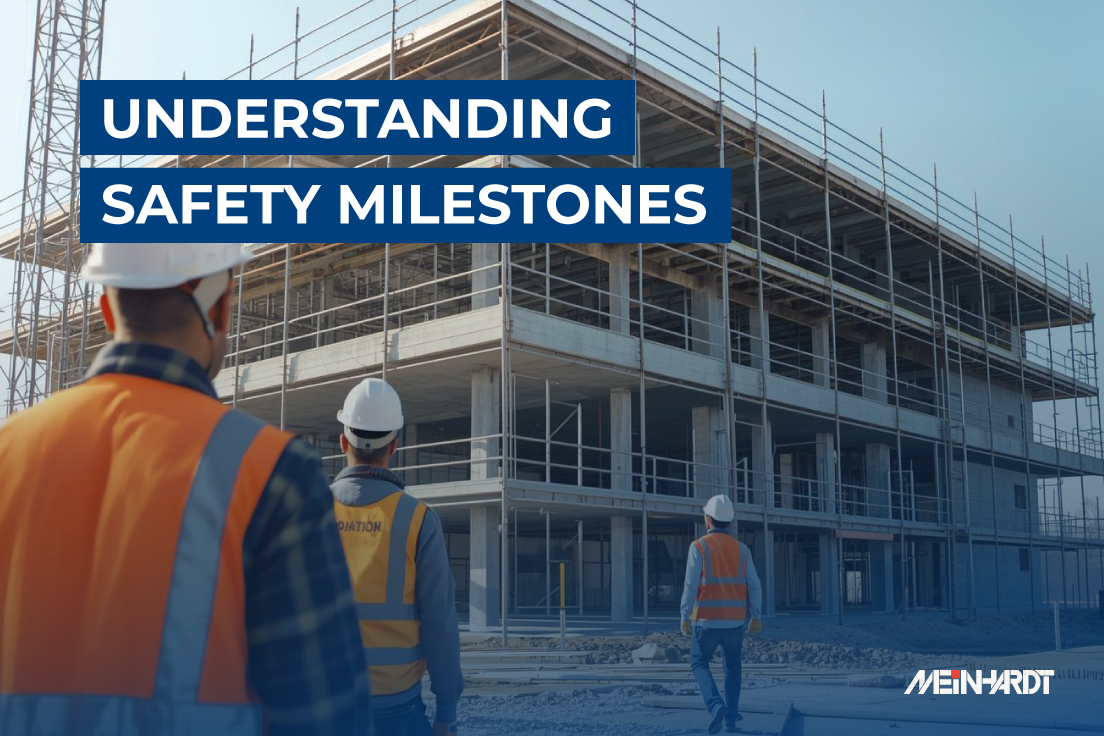
What Does “1 Million Hours Without a Lost Time Injury” Really Mean?
If you’ve ever walked past a construction site or manufacturing plant, you’ve likely seen a banner proudly declaring “1 Million Hours Without a Lost Time Injury.” It’s more than a headline—it’s a meaningful indicator of how well safety is embedded into daily operations.
A Lost Time Injury (LTI) refers to a work-related injury that prevents an employee from returning to work for their next scheduled shift. Tracking these incidents helps organizations move beyond compliance toward building a proactive safety culture.
To compare safety performance fairly, many industries use the Lost Time Injury Frequency Rate (LTIFR). This metric normalizes injury data across projects and organizations of different sizes:
LTIFR = (Number of LTIs × 1,000,000) ÷ Total Hours Worked
What matters just as much as the formula is how hours are counted. Best practice focuses on actual exposure to risk, distinguishing site-based work from lower-risk office activities, so safety performance isn’t unintentionally diluted.
A low LTIFR signals more than fewer accidents. It reflects disciplined planning, consistent supervision, reduced downtime, and, most importantly, a culture where everyone goes home safe at the end of the day.
Safety milestones matter, but the real success is what happens on the ground, every shift, every day.